The route at a glance
There is no direct road to the park: the route always goes through Puerto Natales, the closest town to Torres del Paine. The first leg is paved; the second combines pavement and gravel depending on the entrance you choose.
| Leg | Approx. distance | Approx. time |
|---|---|---|
| Punta Arenas - Puerto Natales (Route 9) | 247 km | 3 to 4 h |
| Puerto Natales - park entrances (e.g. Laguna Amarga) | 80 to 110 km depending on route | 1.5 to 3 h depending on route and road conditions |
| Total Punta Arenas - Torres del Paine | 330 to 360 km | Half a day of travel |
Transportation options
Bus from Punta Arenas to Puerto Natales
This is the simplest and most affordable option. Companies such as Bus-Sur and Buses Fernández run the route, with departures from the city and from Punta Arenas airport, so you can continue right after landing. The trip takes approx. 3 to 4 hours. Schedules change by season, so confirm them directly with each company.
Bus from Puerto Natales to Torres del Paine
During the season, buses leave the Puerto Natales terminal for the park. They usually drop passengers at the Laguna Amarga gate, one of CONAF's control points, where you connect to the different sectors of the park.
Rental car
A car gives you more freedom to stop at viewpoints and move between sectors. Route 9 is paved up to Puerto Natales. From there, there are two usual ways into the park:
- Via Cerro Castillo: follow the paved road approx. 54 km north of Puerto Natales, then take a gravel road to the Laguna Amarga gate.
- Via the direct gravel road: turn west approx. 23 km north of Puerto Natales, passing the Milodón Cave.
Fill up in Puerto Natales, drive carefully on gravel and be ready for very strong wind.
Organized tour
Full-day tours run from Puerto Natales and also from Punta Arenas. From Punta Arenas they mean many hours on the road, so it is better to spend at least one night in Puerto Natales or inside the park.
Best time to go
| Period | What to expect |
|---|---|
| October - November | Start of the season, longer days and fewer visitors than in mid-summer. |
| December - February | Peak season: more services and transport, but lodges and refugios fill up first. |
| March - April | Autumn, colorful vegetation and fewer crowds. |
| May - September | Winter: cold, snow and reduced services. The Laguna Amarga and Río Serrano gates operate year-round. |
High season is approx. October to April. If you want to hike the W trek, this is when refugios and campsites operate.
Reservations: what you need to know
- Overnight stays inside the park require an advance reservation at refugios or campsites.
- Refugios and campsites are run by different entities (CONAF and private concessionaires), so you may need to book with more than one to complete your route.
- In peak season (December to February) spaces sell out months in advance.
- Check current entry conditions on CONAF's official channels before you travel.
Suggested itinerary from Punta Arenas
- Day 1: arrive in Punta Arenas and spend the night in the city. If you have time, walk to Plaza Muñoz Gamero and the Cerro La Cruz lookout.
- Day 2: bus or car to Puerto Natales (approx. 3 to 4 h).
- Days 3 to 6: Torres del Paine: day hikes or the W trek with reservations.
- Day 7: return to Punta Arenas; in season, add a day for Magdalena Island before your flight.
Practical tips
- Dress in layers: Patagonian weather changes fast and the wind is intense.
- Carry cash and some food for long stretches without services.
- Leave buffer time: weather can delay transfers and excursions.
- Punta Arenas is a good base to start and end the trip, thanks to its airport and connections.
Where to sleep before and after
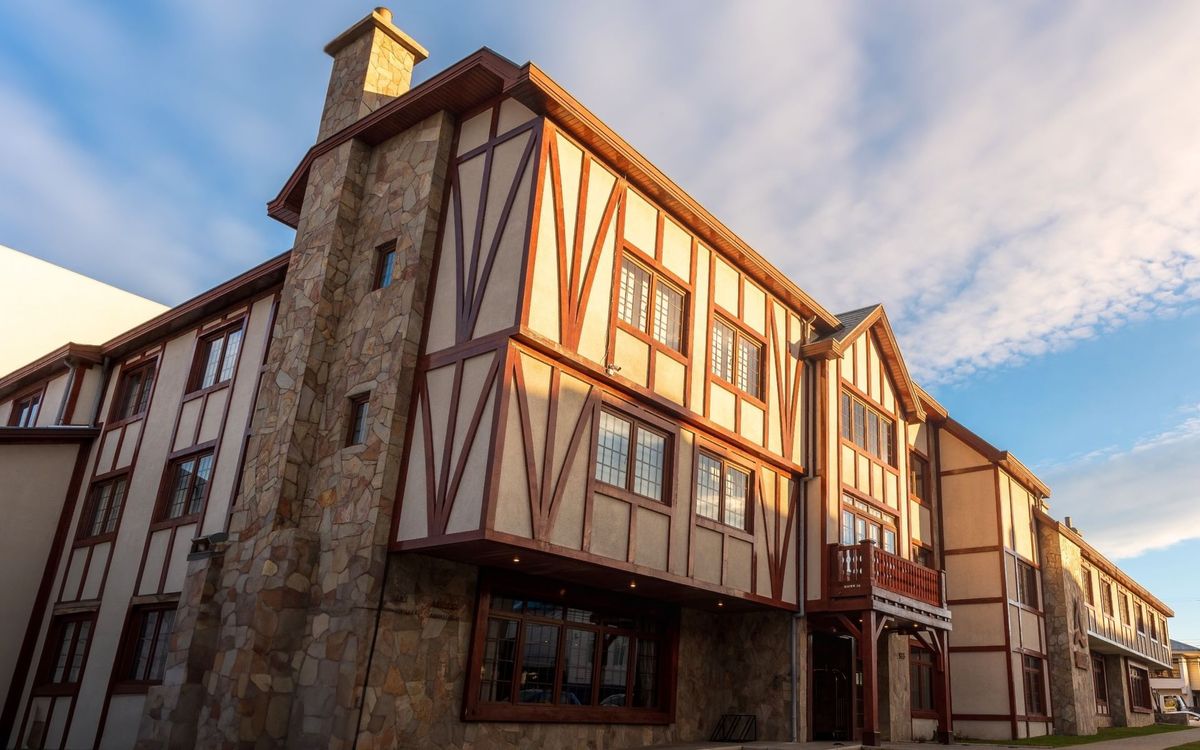
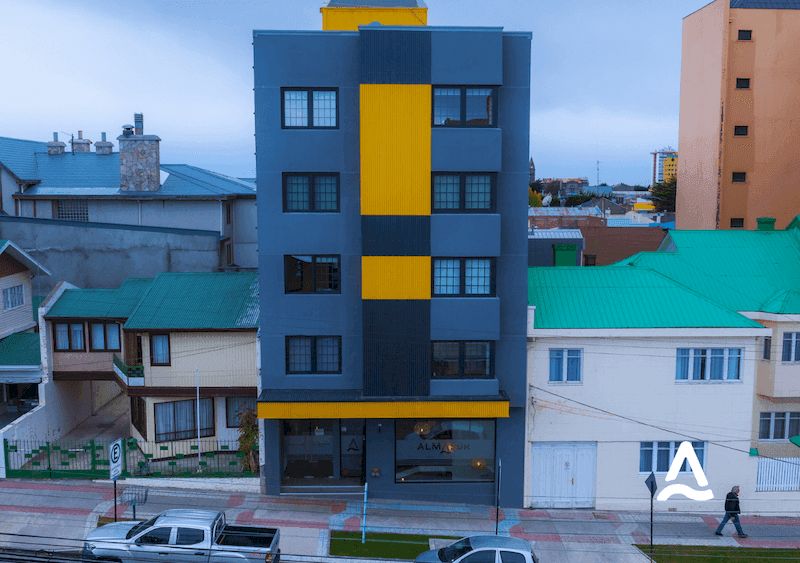
Hotel Almasur Punta Arenas (Armando Sanhueza 965) and Almasur Express (Juez Waldo Seguel 530) are connected hotels, approx. 2 blocks from the main square. The 24-hour front desk is handy if you arrive late from Puerto Natales or leave early for the airport, and Express offers paid parking if you travel by rental car.